
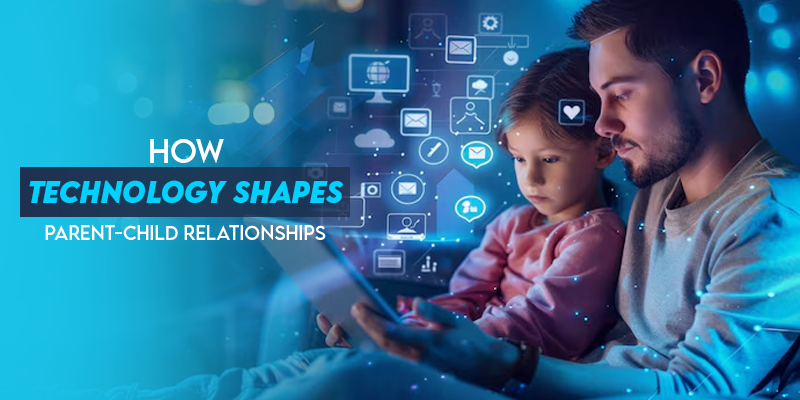
In the ever-evolving landscape of modern parenting, technology plays a pivotal role in shaping the dynamics between parents and their children. As our lives become increasingly digital, the way we interact, communicate, and connect has undergone a significant transformation. This shift brings both exciting opportunities and notable challenges, fundamentally altering the essence of parenting.
The Digital Revolution in Parenting
The integration of technology into daily life has introduced new dimensions to parenting. Gone are the days when keeping track of a child’s whereabouts and activities relied solely on traditional methods. Today, technology offers tools like tracking apps and parental control features, which provide parents with a comprehensive view of their child’s online activities and whereabouts. These tools enhance safety and offer peace of mind, but they also introduce new dimensions to parenting that require careful consideration.
Moreover, technology has broken down geographical barriers, enabling parents to maintain close connections with their children regardless of distance. Video calls, instant messaging, and social media platforms allow for real-time communication, fostering a sense of closeness and involvement. The digital age has also revolutionized education, providing access to a vast array of resources such as educational apps, interactive websites, and online tutoring. This digital influx is reshaping how children learn and develop essential skills.
The Role of Technology in Modern Parenting
For today’s parents, technology is both a boon and a challenge. It offers a wealth of information and support that was previously unimaginable. Online parenting blogs and expert advice platforms provide a space for parents to seek guidance, share experiences, and connect with others facing similar challenges. These platforms can offer valuable insights and foster a sense of community, helping parents feel less isolated in their parenting journey.
Technology also brings convenience to the chaotic world of parenting. Scheduling and organizational apps streamline daily routines, making it easier to manage family activities, appointments, and responsibilities. Additionally, technology provides valuable insights into child development, helping parents make informed decisions about their child’s growth and well-being.
The Dual Nature of Technology’s Impact on Parent-Child Relationships
Technology’s influence on parent-child relationships is multifaceted, with both positive and negative effects:
Positive Aspects:
Enhanced Communication: Technology facilitates constant communication through various channels like video calls, texts, and social media. This constant connectivity helps strengthen the bond between parents and children, allowing for ongoing interaction despite physical separation.
Learning Opportunities: The availability of educational apps, online resources, and interactive tools supports a child’s learning and development. Parents can engage with their children’s education more directly, fostering a collaborative learning environment.
Shared Experiences: Engaging in digital activities such as gaming, watching shows, or exploring the internet together can create meaningful shared experiences. These activities can help parents and children bond and understand each other better.
Increased Convenience: For busy parents, technology simplifies the management of schedules and activities, providing organizational tools that help keep family life running smoothly.
Negative Aspects:
Diminished Face-to-Face Interaction: Excessive screen time can lead to reduced quality time spent together. The constant presence of devices may impact direct interactions and emotional connections, leading to potential gaps in relationship quality.
Potential Distraction: Technology can be a significant distraction, diverting attention from meaningful conversations and activities. This distraction can lead to a disconnect in relationships as both parents and children may become absorbed in their digital worlds.
Risk of Overuse or Addiction: Excessive use of technology, particularly for entertainment, can lead to addictive behaviors and withdrawal from real-world interactions. This can impact family dynamics and personal relationships.
Parental Monitoring Challenges: Over-monitoring or imposing strict controls on a child’s online activities can erode trust and communication. Striking the right balance between oversight and independence is crucial for maintaining a healthy relationship.
Finding Balance in a Digital World
To navigate the complexities of technology in parenting, establishing communication guidelines is essential. Open discussions about the benefits and risks of technology, along with setting clear boundaries for screen time and device use, can help maintain balance. Encouraging tech-free activities, such as family meals without devices or engaging in offline hobbies like board games or cooking, fosters deeper connections and ensures quality time spent together.
By prioritizing meaningful interactions beyond the digital realm, parents can create a balanced approach that enhances rather than hinders their relationship with their children. Embracing technology thoughtfully, while being mindful of its potential drawbacks, is key to cultivating healthy, thriving parent-child relationships in the digital age.
Conclusion
Technology’s impact on parenting is undeniable, shaping how families interact and connect in profound ways. While it offers remarkable benefits, it also presents challenges that require a mindful and balanced approach. By leveraging the advantages of technology while being aware of its potential pitfalls, parents can foster strong, nurturing relationships with their children. Ultimately, the thoughtful integration of technology into family life will determine its effect on the richness and depth of familial connections.