
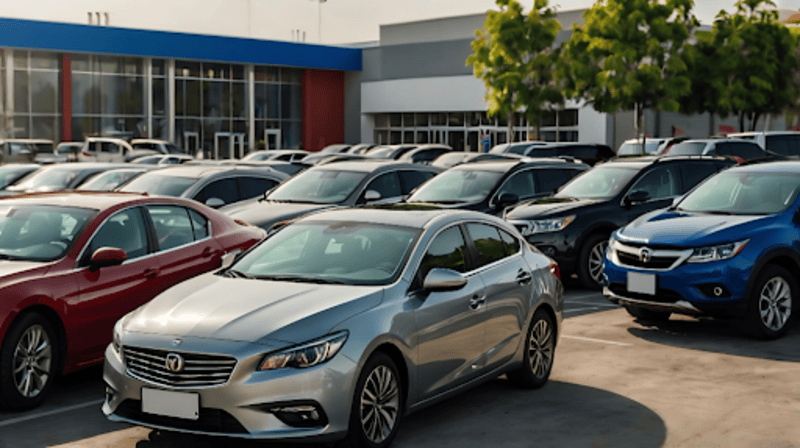
A practical used-car buying guide can protect first-time buyers from costly mistakes. A second-hand car may offer strong value, but it also carries risks related to condition, ownership, documents, insurance, loan history, and hidden repair costs. The right approach is to slow down, verify everything, and make a decision with both heart and calculator.
Many first-time buyers focus on colour, model, and monthly EMI. Those factors matter, but they are not enough. You need to check the car’s history, inspect the vehicle, understand the total ownership cost, and plan finance carefully before signing anything.
Set a realistic budget first.
Decide the maximum amount you can spend before you start visiting sellers. Include down payment, used car loan EMI, insurance, RC transfer, service, tyres, battery, parking, fuel, and emergency repairs. A car that fits the purchase budget may still be expensive to own.
Keep a repair buffer. Even a well-kept used car may need immediate work after purchase. If you spend every rupee on the price, you may struggle with the first service bill. A slightly cheaper car with room for maintenance can be a safer choice.
Choose the right car for your use
Do not buy a car only because it looks attractive online. Match the vehicle to your daily route, family size, parking space, fuel preference, running distance, and service availability. A diesel SUV may not suit short city trips. A premium hatchback may cost more to maintain than expected.
Think about where you will service the car. Popular models often have easier parts availability and better resale demand. Rare variants may feel special, but repairs can take longer and cost more.
Inspect the vehicle carefully
Check the body, tyres, lights, windshield, underbody, engine bay, AC, brakes, clutch, suspension, steering, infotainment, and electricals. Look for uneven paint, rust, panel gaps, oil leaks, warning lights, and unusual noises. Take a test drive on different road conditions if possible.
Use a trusted mechanic or inspection service if you are not confident. The cost of inspection is small compared with the cost of buying a damaged car. Do not let the seller rush you by saying many buyers are waiting.
Verify documents before payment
Check the RC, insurance, pollution certificate, service records, seller identity, loan closure proof, and transfer forms. The chassis and engine numbers should match the vehicle and RC. If hypothecation appears on the RC, ask for the lender’s no-objection certificate and closure proof.
Do not pay the full amount until the document status is clear. If the seller’s name does not match the RC, understand the ownership chain. Avoid cars with unclear papers, unpaid challans, or unresolved legal issues.
Check insurance and claim history.
Insurance can reveal useful clues. Review policy validity, insured declared value, owner details, and claim history where available. A major claim may indicate accident repair. That does not always mean the car is bad, but it calls for deeper inspection.
Transfer or update insurance after purchase. Driving with unclear insurance details can create problems during a claim. Ask whether the policy is comprehensive or third-party only, and budget for renewal if needed.
Plan finance before booking
If you need a used car loan, check your eligibility and EMI before paying a large token amount. Lenders assess the borrower’s profile and vehicle condition. An old vehicle or an overpriced car may not receive the funding you expect.
Compare rate, tenure, processing fee, foreclosure terms, and documentation charges. Do not choose a lender only because the EMI looks low. A long tenure can reduce EMI but increase total interest. Borrow an amount that leaves room for maintenance.
Negotiate with evidence
Use inspection findings, service needs, tyre age, insurance expiry, ownership count, and market prices to negotiate. Do not insult the seller, but be firm. A used car price should reflect condition, documents, and immediate spending required.
If the seller refuses inspection or avoids document questions, walk away. There will always be another car. A missed deal is better than a bad purchase.
Take someone experienced alo..
First-time buyers often miss small warning signs because they are excited about owning a car. Take a friend, relative, mechanic, or colleague who has bought used cars before. A second person can notice repainting, tyre wear, smoke, odd sounds, weak AC cooling, or document gaps while you focus on the drive. This does not replace a professional inspection, but it improves your judgement during the first viewing.
Avoid emotional pressure during the deal...
Some sellers create urgency by saying another buyer is ready with cash. Do not let that pressure control your decision. A genuine car will survive a proper inspection and document check. If the seller refuses time for verification, treat it as a warning. Used car buying requires patience. Walking away from one doubtful deal often leads to a better car, cleaner paperwork, and a calmer loan process later. A good used car buying guide teaches you to verify before you trust.
Conclusion
Set a complete budget, choose a car that suits your life, inspect it properly, check documents, review insurance, and plan finance early. First-time buyers should avoid haste. A patient and informed purchase can deliver years of reliable ownership.